Thermal Technologies
Custom solutions and capabilities
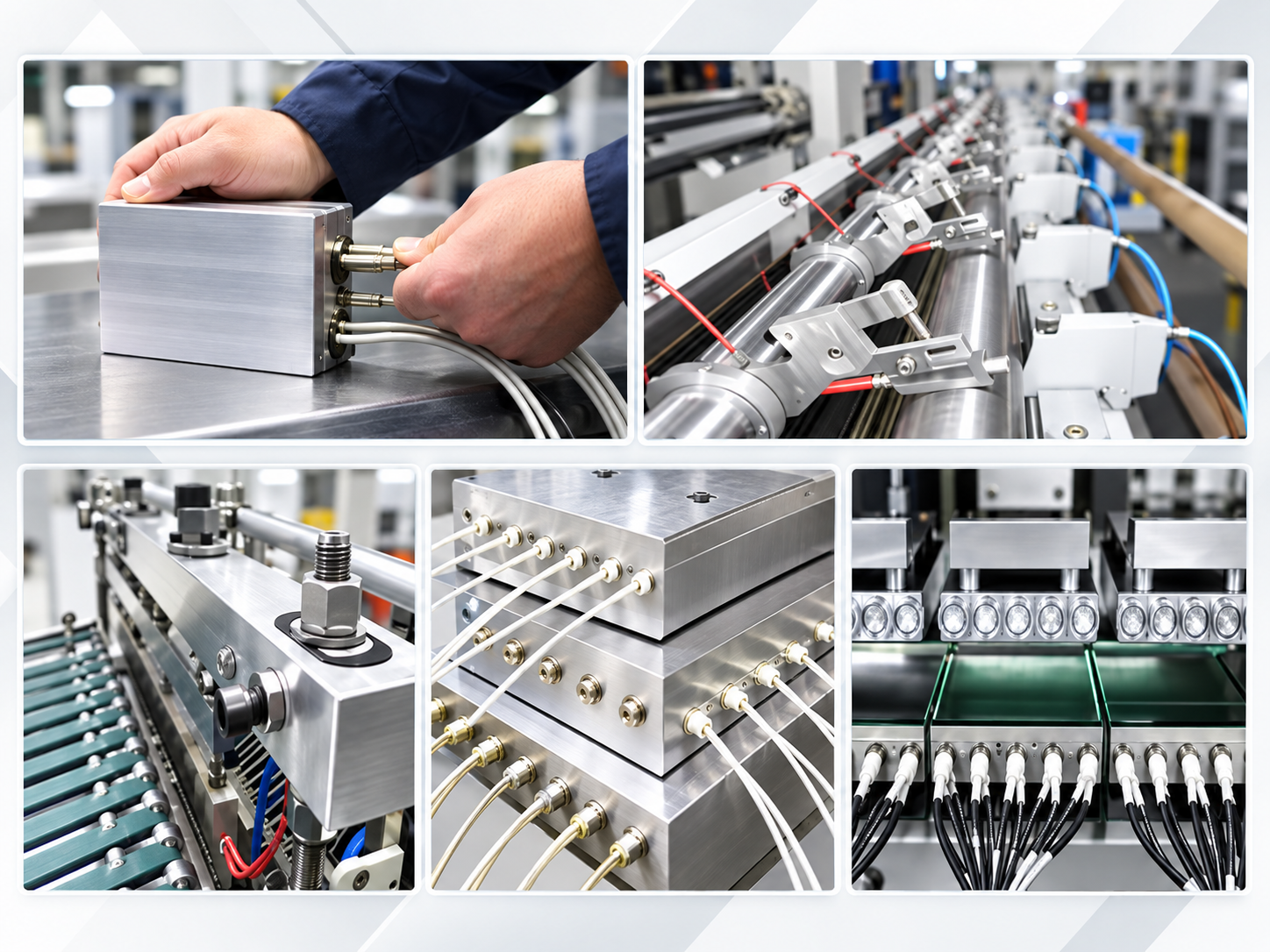
Most of what we make has never been made before
Custom design, reverse engineering, prototypes and small batches. A works that can make one of something is a works that can fix a machine nobody else will touch.
Four things we are asked for
- 01

Custom design
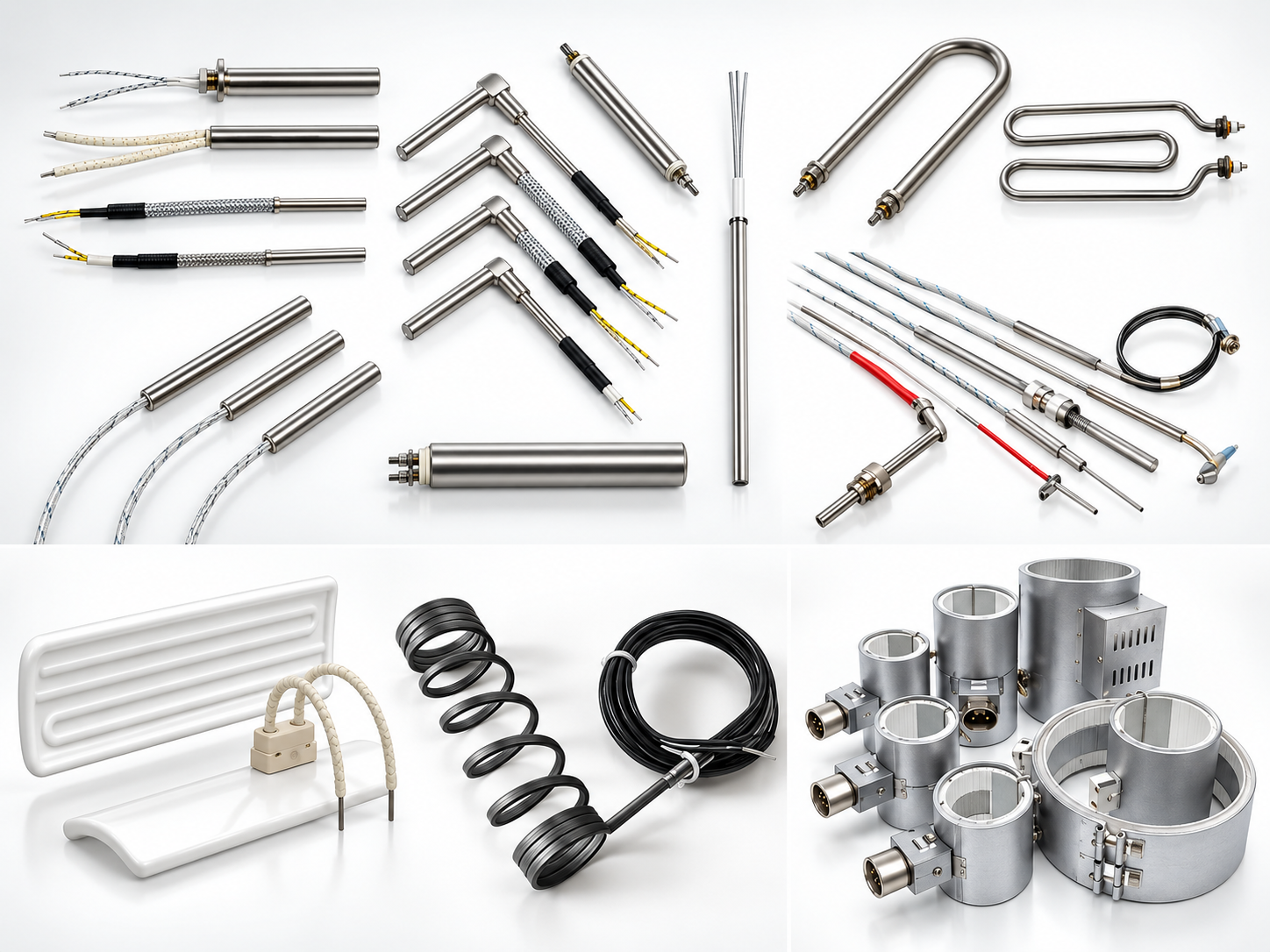
An element designed around your drawing, your bore, your clearance and your duty. Most of the catalogue exists to give that conversation a starting point, not to be ordered from directly.
- 02

Reverse engineering
An element with no drawing, no supplier and a label that has burned off. Send the old part. Dimensions, resistance and construction come off it, and the replacement is made to match.
- 03

Prototype development
One piece, made and tested, before a production quantity is committed. Cheaper than finding out at quantity that the fit was wrong.
- 04

Small batch manufacturing
Six of one size and four of another is a normal order here. Maintenance stores do not buy in hundreds.
How an order actually runs
- The enquiry. A specification, a drawing, a photograph of the old part, or a description of the problem. Any of those is enough to start.
- The proposal. An element type, a size, a wattage and a set of coded options, with the reasoning for each. If a cheaper element would do the job, that is what gets proposed.
- Confirmation. The coded specification is agreed. That code is what appears on the works order and on the label.
- Manufacture. Four to six days on a standard element, from the day the specification is agreed.
- Test and despatch. Resistance, high voltage and dimensional checks recorded against the order.
Plant and works
The works is 3000 sq ft at Plot C-262, Peenya Industrial Area. Come and see it if you are specifying anything unusual: half an hour on the shop floor settles more than a week of email.
Engineering and design
The useful part of a heater manufacturer is rarely the winding. It is knowing that a cartridge in a loose bore will fail regardless of how well it was made, that a rubber barrel wants a lower watt density than a plastics one, and that a manifold thermocouple in the wrong place will hold a temperature the melt never sees.
That judgement is what the option codes and the selection guidance on every product page are for: to put as much of it as possible in front of the buyer before they enquire.